


More Miles with Every Liter of Fuel
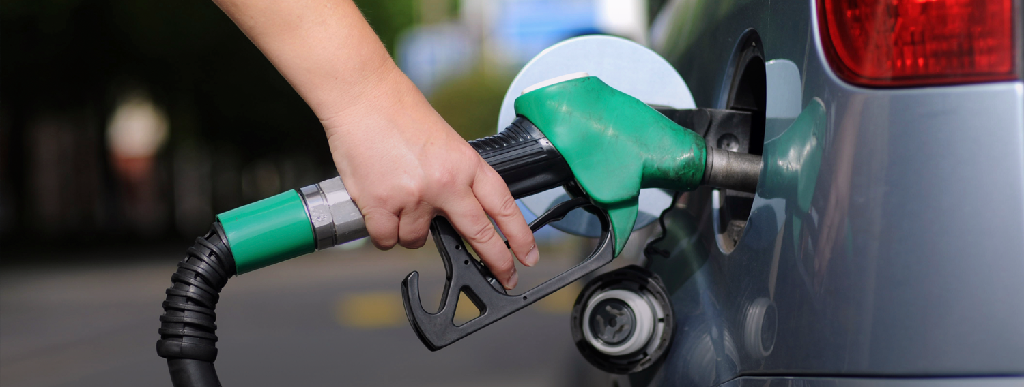
More Miles with Every Liter of Fuel
Prices of gas tend to vary among different cities in the US, and in various countries of the world as well. Most of these prices are unpredictable. Although these costs are not in your hand, there are steps you can follow to extract the best mileage from your car. Such steps can be applied to all cars, irrespective of their categories. Many methods are helpful in prolonging vehicle life as well.
How to get the Best Fuel Economy
- Planning Trips: Are multiple destinations part of your agenda on one day? If your answer to this question is yes, make sure you add all places to the map to check for the most suitable route. This will ensure that you cover the areas in a single line and do not travel back and forth, thereby saving on fuel costs and getting maximum mileage.
- Select the Right Gear: You will never have to worry about the gars in anautomatic vehicle, but it is not the same in a car with stick shift. For the latter, it is necessary to possess the knowledge of gears and their matching speeds. In case you are driving at a higher-than-usual speed designated for a gear, your car will always consume a high amount of fuel.
- Maintain a Steady Pace: This is one of the first things that most of us are taught while learning at a driving school. Sudden deceleration or acceleration will not just impact fuel consumption, but also affect vehicles travelling behind or ahead. Aggressive driving always leads to high fuel consumption and plan your work in a manner so that you can drive at a steady speed.
- Driving in Winter: Cold weather has a lot of potential to decrease your fuel economy by a minimum of 20%, especially when you make numerous short trips. Other harmful factors include low tire pressure, slow traffic on snowy roads, and changes in the cold weather. If you have the facility, try to park the car indoors, which will allow its engine to remain warm. After you start the car, wait for it to idle for a minute, so that the engine can perform well and deliver a good mileage.
- Driving in Summer: Contrary to the cold,heat is helpful for your vehicle since warm air can move through the vehicle in an aerodynamic manner. When you sit inside the vehicle for a journey, always get rid of the warm air by opening the windows and running the blower for a few minutes. Using the air conditioner after this will help cool your vehicle in an efficient manner. Do not forget to find a shaded spot to park your car.
- Do not Carry too Much Cargo: The disadvantage of heavy cargo in your vehicle is that it will lead to more fuel being burnt for motion because of the additional weight.
- Air Cooling or Heating in an Idle Vehicle: You are advised not to keep the heater, or the air conditioner switched on in an idle vehicle. This is because the practice can waste as much as roughly half a gallon of gas within one hour.
Is it Necessary to Rotate my Tires?
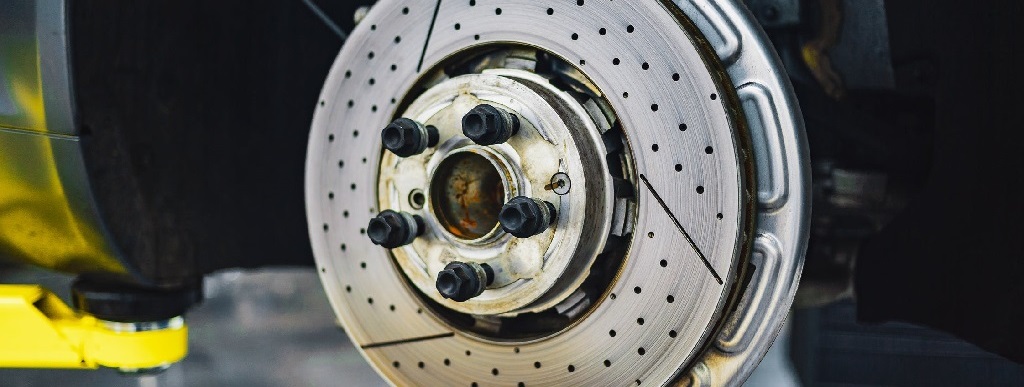
Tire rotation is important when it comes to safety. Special patterns need to be followed when you fix your front and rear tires. Rotating tires will help you to give a long life to your tires as well as performance longevity. If you fix a tire with a similar type, you will be able to perform well and drive smoothly.
What is a Tire Rotation?
Tire rotation is nothing but changing the position of the tire side by side on each of the tire in your vehicles. As per the Manufacturer Standards, try to rotate your tires between every 3,000 to 8,000 miles. Many people will do it when the vehicle’s oil is to be changed.
Regular rotation of your vehicle tires will give the tires a chance to continue to perform well. Try to find the punctures and damages when you fix the tires in your vehicle. Maintaining proper air pressure is also one of the factors to keeping up with the tires. So, try to maintain balanced air pressure within the tires to prevent a blowout or flat. Recheck the air pressure and fix it and get or do the rotations of your tires routinely to help with better speed and smoothness for a long time.
Why is Tire Rotation Important?
Rotation of tires is important for standard care. Rotating the tires frequently will help the tire s to wear evenly across the four tires in your car. So, balance will make perfect functioning of the tire. Try to rotate your tires at least every 3,000 to 8,000 miles you drive. This would be needed for acceleration, rotation, and speed of the wheels, and the performance of the vehicle. Try to choose the same type and pattern of the tires so that it will function in the same way so your car will function accurately.
Rotating the tire will give even tread depth for uniformity can help to handle consistently in all four tires. This will improve the performance and keep you safe.
What Tire Rotation Pattern Should I Utilize?
Using the same pattern of tire will help it to perform well. So, try to maintain the same type of tire and make sure to follow the guideline when fixing or rotating the tire. Check the tire to see if they are unidirectional or not and check if they are a similar type or not; carefully follow the process when rotating the tires. Whenever you want a tire, you must focus on a similar pattern and model you get even functionality with accurate performance.
Holiday Season Around the Corner? Be Prepared

One of the best times to be merry is the holiday season. It is that time of the year again where the entire family gets cozy around fires and spends quality time while sipping on hot chocolate. If you’ve been waiting to make a trip to see your loved ones this holiday season, make sure you follow the safety guidelines mentioned below.
- Start fresh and alert– Begin the drive after a healthy amount of sleep the previous day. Also, ensure that you get rest once the drive is over. Take frequent stops, or else driver fatigue could sneak up on you which could lead you into falling asleep behind the wheel.
- Plan the trip- Your vehicle has to be in good shape to tackle the current cold conditions. Plan the day by checking the weather a few hours before leaving; this will help you navigate the safe roads. Do not forget to carry a windshield scraper for removing excess snow.
- Use technology- Check Google Maps on your smartphone to know the most suitable route for your trip. In addition, a good road trip app will help organize your entire trip, including luggage and places to visit.
- Drive defensively- Traffic jams and slippery winter roads can create havoc for your road trip. For the sake your own safety, always let the impatient and aggressive drivers go ahead at any intersection. This will give you the chance to control the flow of traffic.
- Speed thrills but kills- Maintain distance with vehicles in the front and keep the speed under check, so that you can apply brakes in any condition. If you unnecessarily try to drive at high speeds on slippery winter roads, it could lead to serious injuries.
- Wearing seat belts- The best way to protect yourself in a high impact or low impact crash is to wear a safety belt. It is a very simple but powerful method of protection in an accident. All passengers must be encouraged to do so.
- Stay away from distractions- Sending and viewing text messages while driving is a strict no-no. It would mean taking eyes off the road for almost 5 seconds; imagine how much can happen there at 60 mph. If it is necessary to communicate, do it after pulling over to the side.
- Never drive under the influence- Winter will give you numerous opportunities to drink, whether at other peoples’ houses or restaurants. If you wish to drink, remember to not drive that evening. Either get a designated driver for the occasion or sleep over.
- Accident coverage- Do you wish to safeguard your vehicle from unexpected accidents? If so, contact your insurance agent to know the details about accident coverage options for you. This is necessary for peace of mind over a long period.
- Practical ways to prevent car theft– Certain simple techniques that can ensure your vehicle won’t get stolen. Always keep valuables out of sight or on you. Keep your keys in a pocket or purse and keep your doors locked any time you are away from it.
Do not put unnecessary stress on yourself by trying to do too much in little time. With proper planning, there will be less stress and few chances of you driving aggressively.
Tips to Keep your Car Moving this Winter

Winter can be quite challenging; we must take the necessary measures to counter this weather. Did you take the precautions your vehicle needs to face this approaching winter?
You must ensure that your vehicle is well and ready to take on the assault of winter in the form of slush, icy roads, and heavy snowfall. Here are some incredible tips and information on the most proficient method of winterizing your vehicle so that you and your family can remain safe while you hit the road this winter.
Have an emergency kit inside your vehicle: Making an emergency kit at this point in time will make it easier, especially when you are in a difficult situation on the road. It’s easy to make and significant if you’re left abandoned. Things you should have in the kit include:
- Compass, cover, water, and emergency treatment kit
- Additional gloves and boots
- Additional warm dress
- A functional flashlight with some additional batteries
- Triangles that reflect and bright color material
- Flares
- Snowbrush and ice scraper
- Matches and waterproof holder
- Windshield Cleaner (Exterior)
- Cord, string, and a few scissors
- Non-transient food having high-energy content like dried fruits, hard candy, or unsalted canned nuts.
Get the full servicing of your vehicle done: Before the excessively unforgiving weather arrives, make sure that your car has been tested for the aspects mentioned below:
- Four-wheel drive
- Hoses and belts
- Wipers and liquids of Windshield
- Heating and defrosting systems
- Battery
- Antifreeze
- Oil levels
- Pressure on tires
- Think about snow tires too
You must have these few things inside your vehicle: During the chilled weather, ensure you have the apparatuses to manage any unfavorable circumstances. Be sure to keep these things handy with you during an emergency:
- Jumper Cables
- A properly air-filled extra tire
- Wheel Lugging Wrench
- Tri-Pod Jack
- Shovel
- Cat Litter, Sand or Salt (useful to get traction)
- Tire and Tow Chains
- Tool Kit
- Gloves (Heavy-Duty ones)
To conclude:
Keep these in mind!
- Driving safely during winter is a crucial feature of your outlook. Focus on weather reports and see if it’s okay to hit the road. You’ll get notifications about approaching storms, alerts about black ice, and different risky road conditions.
- Ensure your mobile device is fully charged, and don’t forget the car charger. You will be in a helpless situation if you can’t make a call because you’ve left your mobile phone somewhere in the house.
- Always avoid rushing while you drive. Plan your trip accordingly so that you have ample time. This will assist you in a slow but safe drive.
- Be aware of halting conditions. It’s a good idea to do a few test stops on your nearby road, so you have some thought of what the braking conditions resemble before you set for a drive on the highway. Make sure to leave extra space for slowing down amongst you and the car ahead.
- You shouldn’t expect that everything will be done right by others. If you find a driver driving gravely paying no attention to other people’s well-being, maintain a safe distance from them so that you aren’t a part of an accident due to them. If somebody behind you is getting irritated, allow them to go ahead if that’s a possibility, because they are looking to speed-up and drive hazardously, it doesn’t mean you need to follow the same.
We wish you luck with your drive this winter!
Do I Need an Alignment?

You might not be sure whether you need an alignment for new tires or not. Here we will answer the most important questions that will help your vehicle to get perfect new tires.
Is the alignment required for new tires?
It’s not compulsory to have a wheel alignment for new tires. Still, it’s good to have an alignment because it maintains angles of all the tires with each other and the road.
If you’re thinking about saving money and don’t get an alignment, you may experience a hectic and rough ride that can shorten the lifespan of your new tires.
How often does my vehicle need an alignment?
It would be better to get an alignment every year, but f you drive more on rough roads, your car may require an alignment before a year.
If your vehicle wears from the side or if you hear any noise while driving the vehicle, then you must do an alignment to prevent your vehicle from damaging.
Why are wheel alignments necessary?
Alignments for the vehicle will save you money in many ways.
Poorly aligned tires can wear out faster; they have to regularly install new tires and that will not be affordable anymore. So, wheel alignment helps you to conserve fuel and save your money.
Is it necessary to align all the tires at once?
Of course, yes. Nowadays, the majority of vehicles need a four-wheel alignment. Four-wheel alignments make it simple to handle. You should also check the rear axle regularly.
If you do a two wheels alignment, then the weight imbalance causes damage to your vehicle. Wheel balancing compensates weight imbalance in the wheel combination. There is the presence of two standard types of wheel or tire imbalance that requires to be corrected at the right time: Static (or single plane) & dynamic (or dual plane). Static balance is a balance on one plane only.
Vertical movement causes vibration. There is a need for a special balance machine for vertical and lateral movement. To balance the tires, a technician can adjust the pressure on the entire tire. The machine spins the tire or wheel at high speed and measures the tire imbalance. According to the results of the balancing machine, the technician adds weight to the tires and balances the vehicle.
Now it is clear how to maintain your vehicle. If you follow the above steps, then your vehicle will not face balancing problems.
Take advice from some technicians and add an alignment for your new tires to boost the efficiency of tire.
Connect with us