

Blog / Wyatt Johnson Toyota Service

Why Spring Is the Perfect Time for a Vehicle Inspection

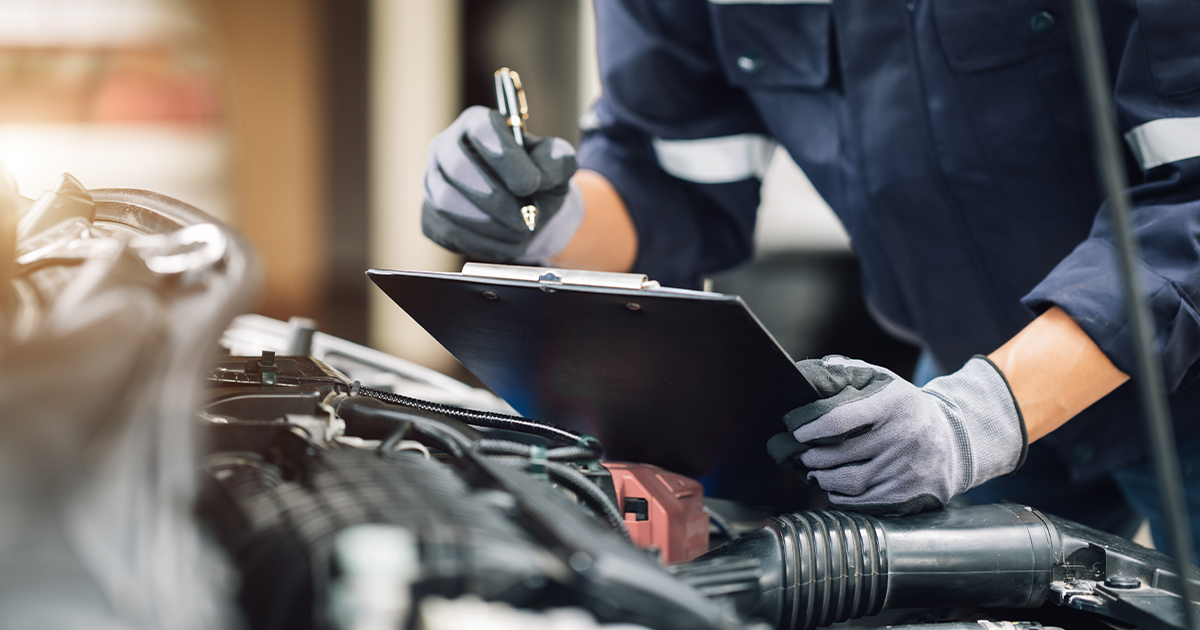
Close-up of a service technician holding a clipboard going through a checklist while inspecting a vehicle's engine.

As the weather warms and winter finally loosens its grip, there’s no better moment to give your car the attention it deserves. Spring brings ideal conditions for a thorough checkup, making it the perfect season to schedule a vehicle inspection in Clarksville, TN. Whether you’re preparing for road trips, improving safety, or simply keeping your vehicle in top shape, a spring inspection ensures your car is ready for the months ahead. Before you get started, take a look at the latest service specials to make your visit even more convenient. 

Key Points 

Here are three clear, concise bullet points that capture the main ideas of the blog post: 

  • Spring is the ideal time for a vehicle inspection in Clarksville, TN because winter conditions can cause hidden wear, and a seasonal checkup helps catch small issues before they become expensive repairs. 
  • A spring multi‑point inspection, oil change, and tire evaluation ensure your vehicle is safe, efficient, and ready for warmer weather and upcoming travel. 
  • Using a trusted service center for your vehicle service inspection near you provides expert guidance, convenient scheduling, and peace of mind as you prepare your car for the months ahead. 

A Fresh Start After Winter 

Winter can be tough on your vehicle. Cold temperatures, road salt, and icy conditions all contribute to wear and tear that isn’t always visible. That’s why spring is the ideal time to follow a Spring car maintenance checklist and address any issues that may have developed over the colder months. A seasonal inspection helps identify small problems before they turn into costly repairs, ensuring your vehicle stays reliable and efficient. 

Why a Multi‑Point Inspection Matters 

One of the most valuable services you can schedule in spring is a multi‑point inspection, which is a comprehensive evaluation of your vehicle’s most important systems. Technicians check components such as brakes, tires, fluids, belts, hoses, and more. This gives you a clear picture of your car’s overall health and highlights anything that needs attention. 

A spring multi‑point inspection is especially helpful because it catches winter‑related wear early before summer heat puts additional stress on your vehicle. 

How Often Should You Change Your Oil 

While the answer varies depending on your vehicle and driving habits, many cars benefit from an oil change every 5,000 to 7,500 miles. Fresh oil keeps your engine running smoothly, improves efficiency, and extends the life of your vehicle. 

If you’re due for service, you can easily schedule an appointment through the oil change service page or combine your oil change with a full inspection for maximum convenience. 

Tire Care for the Season Ahead 

Your tires play a major role in safety and performance, and spring is the perfect time to check their condition. Winter can cause pressure fluctuations and uneven wear, so inspecting tread depth, alignment, and inflation is essential. If you need replacements or want to explore your options, the tire center offers a wide selection to keep you confident on the road. 

Convenient, Professional Service Near You 

When searching for a vehicle service inspection near you, choosing a trusted service center ensures your car receives expert care. Certified technicians can walk you through your inspection results, recommend necessary services, and help you prioritize what needs attention now versus later. Spring is also a popular time for maintenance, so scheduling early is a smart move. You can book your visit quickly through the online service scheduler. 

Get Your Vehicle Ready for Spring Today 

Spring is the perfect season to refresh your vehicle and prepare it for the road ahead. From oil changes and tire checks to multi‑point inspections and seasonal maintenance, taking care of your car now ensures smoother, safer driving all year long. If you’re ready to schedule a vehicle inspection in Clarksville, TN, explore our current service specials and book your appointment today. Your vehicle and peace of mind will thank you. 

Posted in:

Related Posts

Two new 2023 Toyota Highlanders embark on a road trip through the mountains.

How To Get Your Car Roadtrip-Ready With These 5 Tips!

Summer is here, and it's the perfect time to hit the open road for an exciting adventure with your loved ones. Whether you're planning a scenic drive through the countryside or an epic cross-country journey, getting your new Toyota (or whatever you drive) ready for the summer road trip is essential to ensure a smooth and enjoyable experience. To help you prepare for the long drives and hot temperatures, we've compiled five essential tips to make sure your car is road-trip-ready. Get a Multipoint Inspection: Before the start of any road trip, it's crucial to schedule a thorough checkup with a service team you can trust. They can inspect your car's engine, brakes, tires, cooling system, and other critical components to ensure everything is in optimal condition. Addressing any potential issues before hitting the road can prevent breakdowns and costly repairs later. Additionally, don't forget to check and replace the oil, coolant, and transmission fluid levels, as well as topping off other essential fluids. Inspect and Rotate Your Tires: Your car's tires play a vital role in ensuring a safe and comfortable road trip. Inspect the tire tread and sidewalls for any signs of wear or damage. If the tread depth is approaching the minimum recommended level, it's time to replace your tires. Additionally, ensure that the tire pressure is set to the manufacturer's specifications. Properly inflated tires not only enhance fuel efficiency but also reduce the risk of blowouts. Consider rotating your tires before the trip to ensure even wear and prolong their lifespan. Check the Air Conditioning System: Driving in scorching summer heat without a functioning air conditioning system can be unbearable. Before setting off, test your car's air conditioner to ensure it's blowing cold air consistently. If you notice any issues or a lack of sufficient cooling, it's essential to have it inspected and repaired by a qualified technician. A comfortable cabin temperature will make your journey much more enjoyable, especially during long drives. Clean and Organize the Interior: A clutter-free and organized interior can significantly enhance your road trip experience. Start by giving your car a thorough cleaning, both inside and outside. Vacuum the carpets and seats, wipe down surfaces, and make sure to remove any unnecessary items from the trunk or back seats to free up space. Consider investing in car organizers to keep essential items easily accessible during the trip. Pack an Emergency Kit: No matter how well-prepared you are, unforeseen situations can still occur. Be proactive by packing an emergency kit that includes essentials like a first aid kit, flashlight, jumper cables, basic tools, a tire repair kit, and extra coolant and motor oil. It's also wise to carry a fully charged power bank for your electronic devices and a map or GPS system in case you venture off the beaten path with limited cellular coverage. What To Do Next It's time to schedule quality service at our Toyota Service Center! Not only do we have expert technicians ready to take care of any issue you have, we also offer service specials to save you big on the carcare you need. Plus, if you need genuine Toyota parts, you've come to the right place. Whatever you need for a stress-free roadtrip, come visit Wyatt Johnson Toyota today near Nashville!

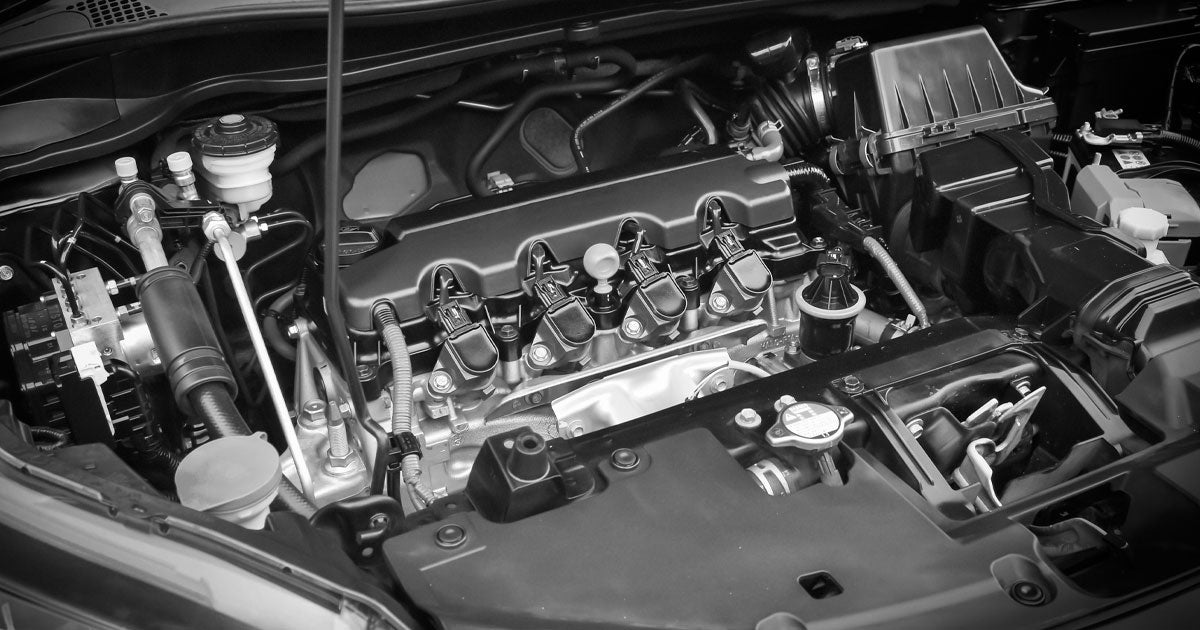
A close-up of a vehicle's engine with the hood up.

Engine Sounds to Watch Out For and What They Mean

Few things make your stomach drop quite like hearing a strange new sound coming from under the hood. If your car is making noise you have never heard before, you are probably wondering whether it is something minor or the beginning of a much bigger problem. We get it, and we want you to feel informed rather than anxious. Our service center provides trusted Toyota service in Clarksville, TN, and we have put together this refreshed guide so you know exactly what to listen for and what it might mean for your vehicle. Key Points Recognizing common engine sounds like squealing, knocking, rattling, grinding, and hissing to identify potential problems early. Address unusual engine noises promptly to help prevent more serious and costly repairs. Visit Wyatt Johnson Toyota for expert engine diagnostics and explore service specials and financing options. Why Is My Car Making a Weird Noise? Your engine is made up of dozens of moving parts working together day in and day out. When one of them starts to wear down, loosen, or lose lubrication, it often announces itself through sound long before it ever shows up as a dashboard warning light. Think of these noises as your car trying to get your attention early, while the fix is still simple and affordable. Here are five of the most common sounds we hear about and what is usually behind them. What Causes a Squealing Noise When I Start My Car or Accelerate? This one is easy to notice because it tends to show up right when you turn the key or press the gas pedal. A few common culprits include: A worn or loose serpentine belt, which powers your alternator, power steering pump, and air conditioning A belt that has slipped out of alignment Low power steering fluid putting extra strain on the system Squealing is rarely dangerous on its own, but it is a sign that something is wearing down and should be looked at soon. What Does a Knocking Sound From My Engine Mean? A knocking or pinging noise usually points to something happening inside the combustion process itself. This can come from: Poor quality or incorrect fuel for your engine Ignition timing that has drifted out of spec Carbon buildup inside the cylinders Knocking tends to get worse over time, so it is worth having a technician take a look before it turns into something more serious. Other Sounds Worth Paying Attention To Beyond squealing and knocking, there are a couple of other noises that deserve your attention: Rattling or tapping at idle, which often points to an issue in the valve train involving valves, lifters, or pushrods Grinding or whining that gets louder as your engine speed increases, which can signal worn bearings from heat or poor lubrication Hissing or sizzling once the engine has warmed up, which may mean a coolant leak that could lead to overheating Each of these can lead to bigger repairs down the road if they are left unchecked, so catching them early really does make a difference. Is It Safe to Keep Driving If My Engine Is Making a Strange Noise? This depends on the sound and how it is affecting your car's performance, but it is best not to ignore it. A noise that seems minor today can sometimes point to a problem that worsens quickly, especially with knocking, grinding, or any sound paired with a change in how your car drives or smells. If you are ever unsure, it is always safer to have it checked rather than hope it goes away on its own. Can Wyatt Johnson Toyota Diagnose Engine Noises? Yes, o ur technicians work on these exact issues every day. We have the training and tools to pinpoint what is going on quickly and accurately. We are ready to take a closer listen and get you back on the road with confidence. Before you come in, it is worth checking our service specials and coupons to see if there is a way to save on your visit. Peace of Mind Starts with Paying Attention If the cost is a concern, you are not alone. W e don't want to keep you from getting your car looked at. Our service financing options can help make repairs more manageable so you can take care of your vehicle without the added stress. A strange noise does not have to turn into a major headache. Reach out to our team as soon as you notice something off, and let us help you keep your car running the way it should for years to come.

The Quintessential Fall Car Care Checklist

Fall is the perfect time to start checking up on your car. The weather isn’t entirely too cold yet, the holidays are still a ways off, and you aren’t facing any severe weather conditions. This season is prime for getting out in the garage or scheduling service and bringing your car to our service centers in Nashville to get everything checked out. Get ready to sightsee the beautiful Tennessee views here in Clarksville and beyond in your Toyota and review our fall car-care tips below from Wyatt Johnson Toyota! Ten Fall Car Care Tips To Follow Checking and Refilling Fluids, Especially The Oil: Checking your fluids can play a crucial role in keeping your Toyota performing at its absolute best, and during the cooler months you don’t need anything less. Taking a look at your oil, power steering fluid, brake fluid, and transmission fluid and refilling or changing any that need it is a great way to prepare your car for the winter months ahead. Also, checking your antifreeze/coolant is an absolute must, as that will keep your engine from getting too cold should the temps drop. Check when your Toyota is due for its next oil change and make sure you get the filters changed as well. That way your brand-new oil stays new for as long as possible! Inspect All 4 Tires and Brakes: The quality of your tires is just as important as that of your brakes. If your tires are worn down, they’re not going to do you much good in snow or rain. Make sure to not only check the tread but also their pressure. Tires tend to lose pressure when the temperature drops and changing a flat in 30-degree weather isn’t fun. If you really want to future-proof yourself, getting a good set of snow tires or all-season tires will be greatly beneficial. Shop for the perfect tires for your car and get a tire rotation or replacement here! Replacing your brake pads and rotors is an essential part of your fall car care and even winter prep. Bring your Toyota to our service center in Clarksville and get the ultimate in brake service and repair. Test The Battery: Being able to rely on your battery during the colder months can be a huge weight off your shoulders. So be sure to check the charge and quality of your current battery. If it’s been more than three years, it may be time to replace your car's battery completely. Visit our service center and we’ll be able to set you up with a brand-new battery just in time for the winter months. Tighten Your Hoses And Check Your Belts: Making sure your antifreeze and fluids are all topped off is great, but it won’t do you any good if it can’t reach your engine. If your hoses have any leaks or breaks, there’s a good chance you’ll overheat your engine when the cold weather hits and your engine has to work overtime to keep it warm. Hot summer months can severely degrade the belts in your engine. When checking under the hood, you should look for any signs of excessive wear, fraying, cracks, or looseness. Be sure to give your hoses a good look over and tighten any that seem loose. Test Your Exhaust: Checking your exhaust system as part of your fall car care checklist could actually save your life. If there’s a leak in your exhaust, carbon monoxide could seep into your car. Not only that, but a damaged exhaust system can also result in lower mileage. Keep on the lookout for weird noises, smells, a vibrating gas pedal, or a rumble when your car is sitting still. All are signs that your exhaust system is damaged. Our Toyota-certified technicians will look for rust, holes, leaks, and other damage that may be present during our inspection. Pay Attention to Steering and Suspension: You want to be in complete control of your Toyota in the event of bad weather. Making sure your power steering and suspension are up to par is the best way to remain in control at all times. If you’re worried, our team can take a look at your shock absorbers, struts, and chassis to see if anything needs adjusting or replacing. Replace Your Wipers: Did you know that the quality of your windshield wipers actually factors into your yearly inspection? That’s because if your wipers are leaving heavy streaks on your windshield, you will not have very good visibility. And visibility is essential in any type of inclement weather. Wash Your Car: This may definitely seem unnecessary, but hear us out for a second. Cleaning your car of all the summer mildew and dirt can help prepare it for what’s coming. Waxing your car can also protect it from snow, ice, and salt. Furthermore, it’s a good idea to regularly clean your car after it snows. Ice and salt can accumulate and erode certain components of your undercarriage if left on for extended periods of time. While not as immediately important as other tips on your Fall car care list, it won’t hurt. Clean Your Headlights: Between dead bulbs and cloudy headlight covers, there’s enough to check to warrant this being on your Fall car care list. Your headlights do two things out on the road. They help you see what’s in front of you, and they help other drivers see you. Make sure both of these functions are unimpeded by checking your bulbs and cleaning your headlight covers. Pack Roadside Kit: If the unfortunate happens and you have car issues or slide on ice or snow, having a pack of supplies to fall back on is a great idea. Some things that should be in your roadside kit include an ice scraper, jumper cables, a flashlight, blankets, bottled water, non-perishable food, and a first aid kit. You can never be too careful. That's where ToyotaCare can come in handy. Get peace of mind with 24 hour roadside assistance on your new Toyota! Stay On Top of Your Fall Car Care If you follow this fall car care checklist, you’ll be more than prepared for when the colder months roll around. And if there’s anything you need to replace or you can’t check out yourself, you can always make Wyatt Johnson Toyota a part of your winter car prep by scheduling an appointment with our service center in Clarksville. Plus, you can save big with our service specials! Make sure you prepare your car for fall and winter with the experts at Wyatt Johnson Toyota!