


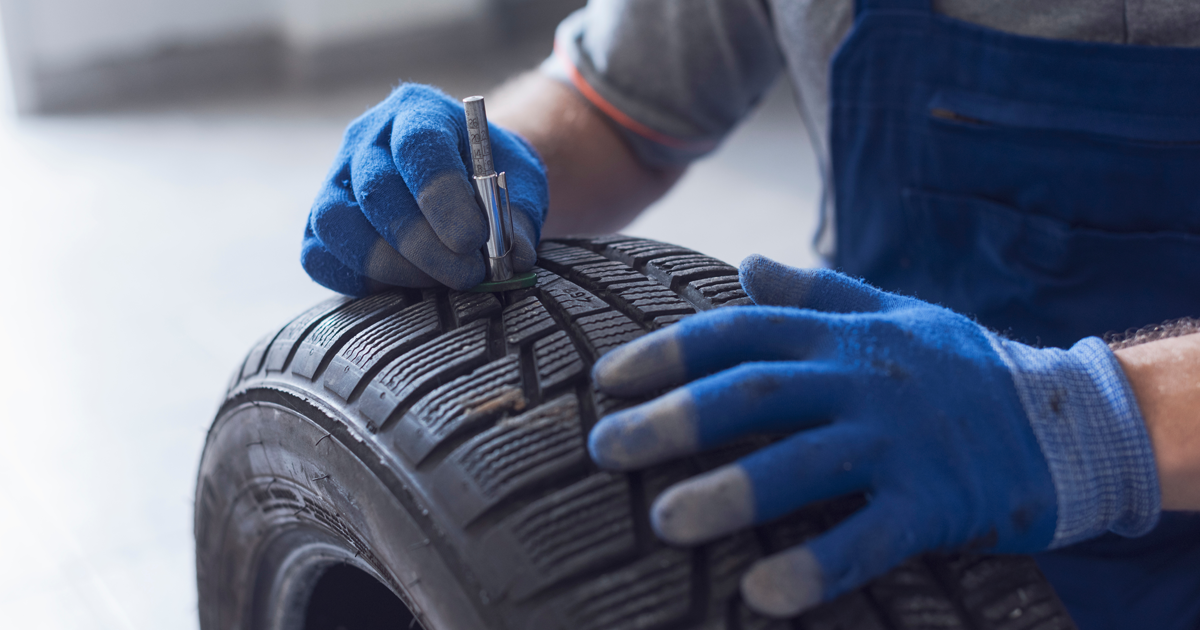
As the crisp air of autumn begins to settle in, it’s easy to get swept up in seasonal festivities and forget about one of the most critical aspects of vehicle safety—your tires. Before the first frost hits, taking a few minutes to inspect your tires can make all the difference in how your car handles icy roads, sudden temperature drops, and unpredictable weather. It’s not just about safety—it’s about performance, longevity, and peace of mind. If you’re unsure where to start, check out these service specials and coupons to make tire care more affordable.
Why Frost Changes Everything
When temperatures dip below freezing, tire rubber becomes less flexible, reducing traction. This is especially dangerous if your tires are already worn or improperly inflated. Frost can also lead to black ice, which is nearly invisible and extremely slippery. Having tires with good tread and proper pressure is your first line of defense.
Start with a Car Maintenance Checklist
Before winter sets in, your car maintenance checklist should include:
- Checking tire tread depth
- Inspecting for cracks or bulges
- Verifying tire pressure (cold weather lowers PSI)
- Rotating tires if needed
- Ensuring proper alignment
These steps help ensure your tires are ready to grip the road when conditions get slick. If you’re not comfortable doing this yourself, searching for a tire shop near me can connect you with professionals who’ll do it right.
What Are the Signs That My Tires Need to Be Replaced?
If you notice uneven wear, shallow tread (less than 2/32 of an inch), or visible damage like cuts or bulges, it’s time to replace your tires. Vibrations while driving or poor handling in wet conditions are also red flags. Don’t wait until you’re sliding through an intersection to realize your tires aren’t up to the task.
How Often Should I Change My Tires?
Most experts recommend changing tires every 6 years, regardless of mileage, and sooner if tread wear is significant. However, driving habits, climate, and road conditions can shorten that timeline. Regular inspections—especially before winter—can help you stay ahead of problems.
What’s the Difference Between All-Season, Winter, and Summer Tires?
Understanding tire types can help you make smarter seasonal choices:
- All-season tires: Designed for moderate climates, they offer balanced performance but may struggle in extreme cold.
- Winter tires: Made with softer rubber and deeper tread, they excel in snow and ice.
- Summer tires: Optimized for warm weather, they provide excellent grip but harden in cold temperatures.
If you live in an area with harsh winters, switching to winter tires before the first frost is a smart move. You can find the right fit using Toyota Genuine Parts for quality and compatibility.
Schedule Your Tire Check Today
The first frost is a wake-up call, not a deadline. Being proactive can save you from costly repairs, dangerous driving conditions, and unnecessary stress. Whether you’re due for a tire rotation, replacement, or just a quick inspection, schedule service before the cold sets in.
Still have questions? Reach out through our contact page and let our experts guide you through winter readiness. Your tires are the only part of your car that touches the road—make sure they’re ready for what’s ahead.
Connect with us